Potterhouse School follows the British National Curriculum, using the Pearson Curriculum, providing a structured and internationally recognised pathway from the early years through secondary education

It promotes critical thinking, creativity, and collaboration. From kindergarten to high school the BNC curriculum has an array of subjects that students explore. From phonics, number and sound sequencing in kindergarten, simple arithmetics, science, art, language and music, children explore the increasing complexities of subjects progressively.

The British Curriculum is grouped in Key Stages as follows:

  • Kindergarten (Peach, Pear & Melon)
  • Key Stage One (Year 1 & Year 2)
  • Key Stage Two (Year 3, 4, 5 & 6)
  • Key Stage Three (Year 7, 8 & 9)
  • Key Stage Four (Year 10 & Year 11)
  • Key Stage Five (Year 12 & 13 - A-Levels)

Our learners grow at each stage, progressing from hands-on exploration in Kindergarten to specialised A-Level study. Each stage builds the knowledge, skills and confidence students need for the next step in their education

Early Years

Kindergarten

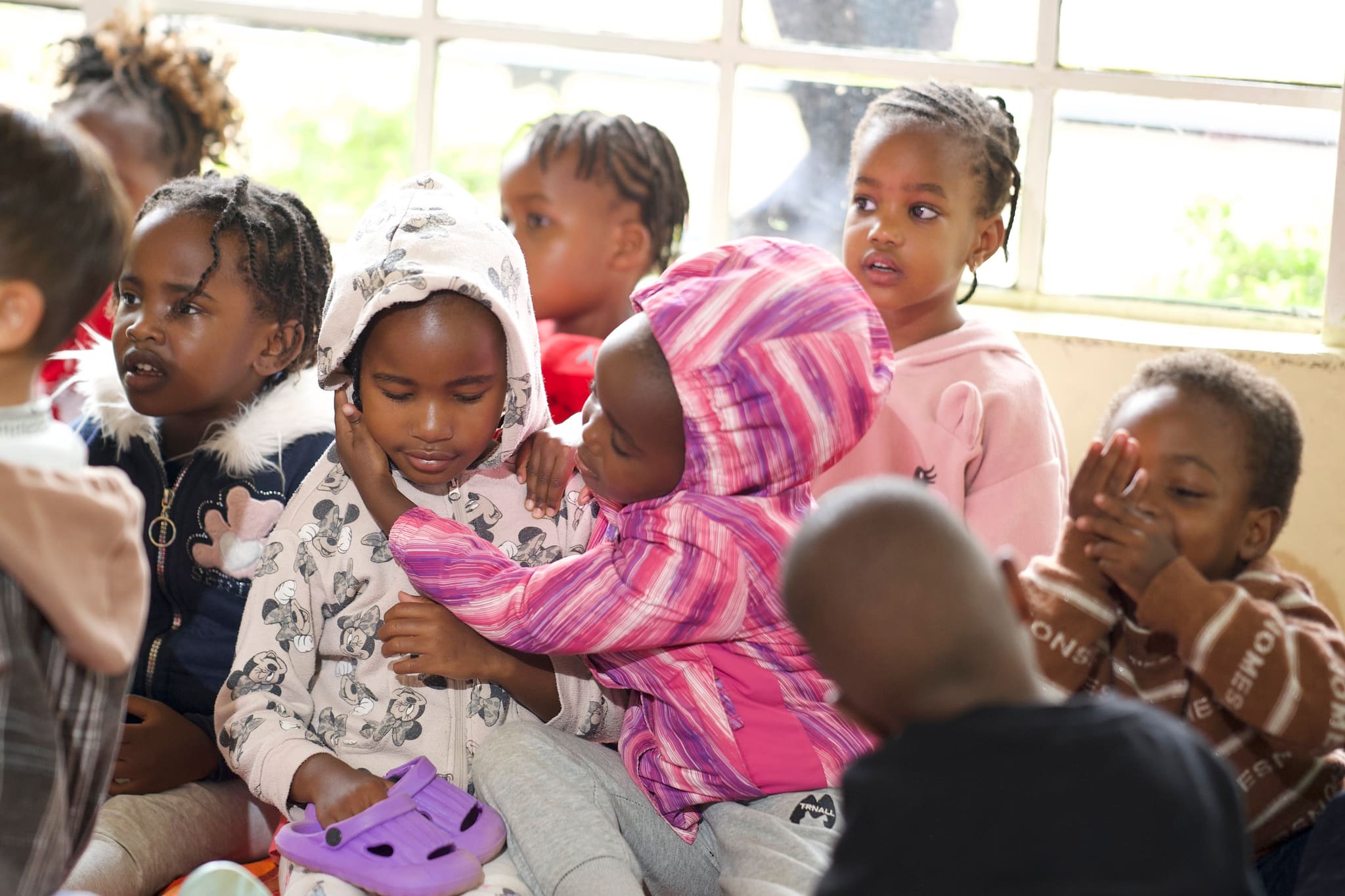
Young children explore their environment through an extensive, child-centred curriculum. Engaging activities and teacher-prepared manipulatives provide hands-on opportunities to develop cognitive, gross motor and fine motor skills.

Years 1–2 ·

Key Stage 1

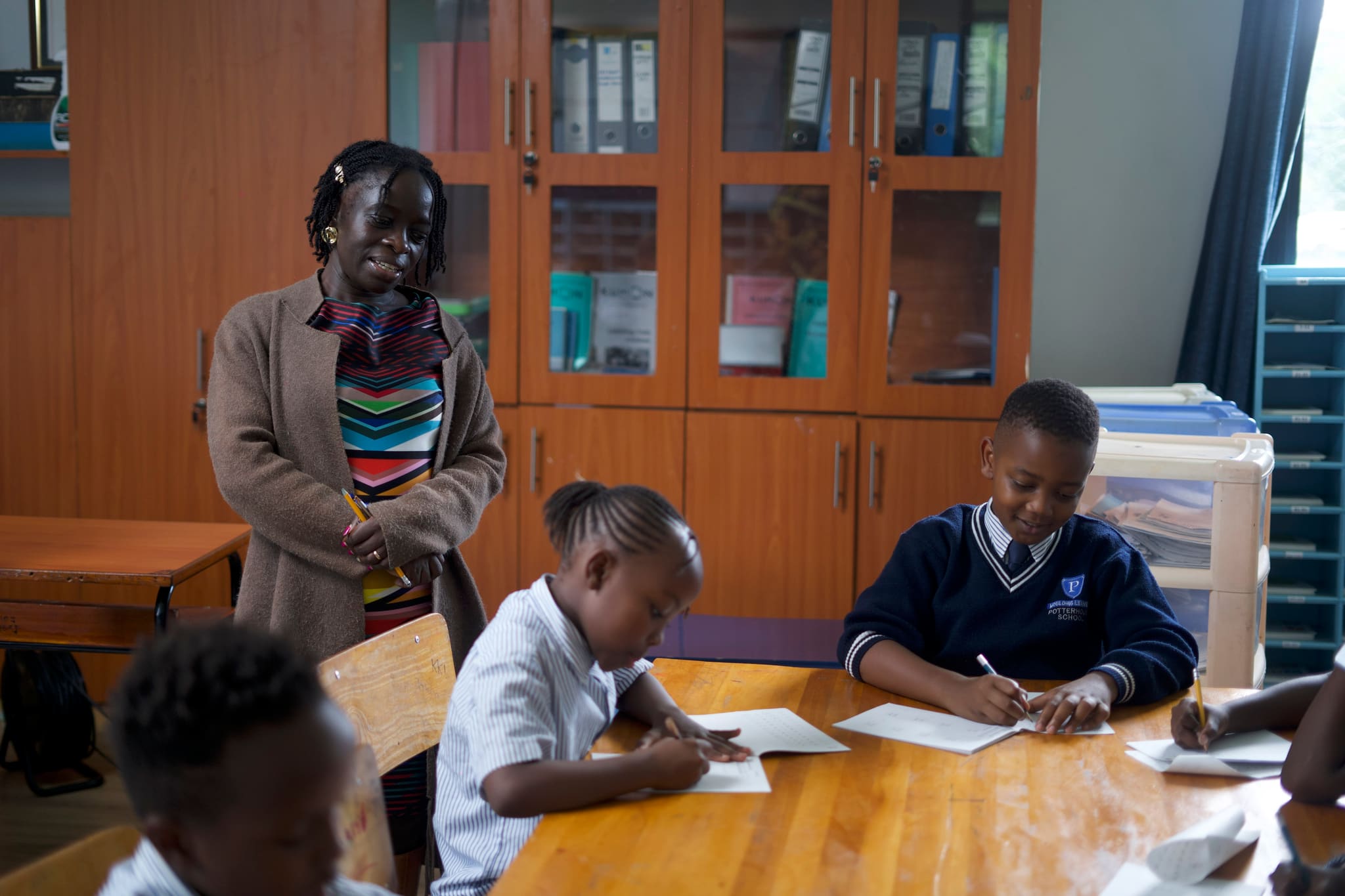
Learning takes a more formal approach as children are introduced to Mathematics, English, Science, Humanities—including History, Geography and C.R.E.—the Arts, including Art and Music, and Swahili.

Years 3–6

Key Stage 2

Students study English, Mathematics, Science, Computing, Citizenship, History, Geography, C.R.E., Art, Music, Physical Education, Kiswahili and French.

Years 7–9

Key Stage 3

The Key Stage 2 subjects continue, while Science develops into the distinct disciplines of Physics, Chemistry and Biology. In Year 9, students also gain options such as Business Studies and Economics.

Years 10–11 · IGCSE

Key Stage 4

After successfully completing Key Stage 3, students prepare for the IGCSE course in Year 10 and sit their examinations in Year 11. They can then pursue pathways including A-Levels, B-Tech or the IB Diploma, according to their interests and strengths.

Years 12–13 · A Levels

Key Stage 5

Potterhouse offers a two-year modular A-Level programme: A-Level Subsidiary (AS) in Year 12 and A-Level 2 (A2) in Year 13, with each module taught and tested separately. Entry requires at least five IGCSE credits at grade 4 or above. Students select three or four subjects based on their ability and future career path, with the option to drop the fourth subject in Year 13. They also participate in clubs, sports, P.E., swimming, CSR and mentoring.

Independent learning that builds confidence and ability

Potterhouse School is where Kumon Nairobi, Runda is located. At Kumon, the aim is for each and every child to become an independent, advanced learner, with a positive attitude to study.

The unique Kumon programmes pursue the potential of each child, developing their ability and nurturing their independence. Following an assessment, each child begins at an individually set starting point that lays a solid foundation for effective learning. Progress is tailored to individual needs, ensuring every child continues to grow and achieve.

Through daily study of the unique Kumon worksheets, students develop invaluable study skills, build confidence, and strive towards studying above the international standard for their age. Alongside an appropriate amount of daily work at home, students attend the study centre up to twice a week.

Kumon’s long-term focus gives children the self-assurance to take learning into their own hands and increases their motivation to succeed.

We encourage creativity in our students through themed terms of Languages, Humanities and STEM

Our STEM programme encourages students to explore science, technology, engineering, and mathematics through practical, hands-on learning experiences that develop problem-solving and analytical skills. In addition to the curriculum specification, innovation curiosity is nurtured by providing learning opportunities through maths contests and science fairs.

During the Language term, we have themes that allow students to explore culture and appreciate diversity around us.

In Humanities term, we explore themes in history to understand our identity and the world around us.

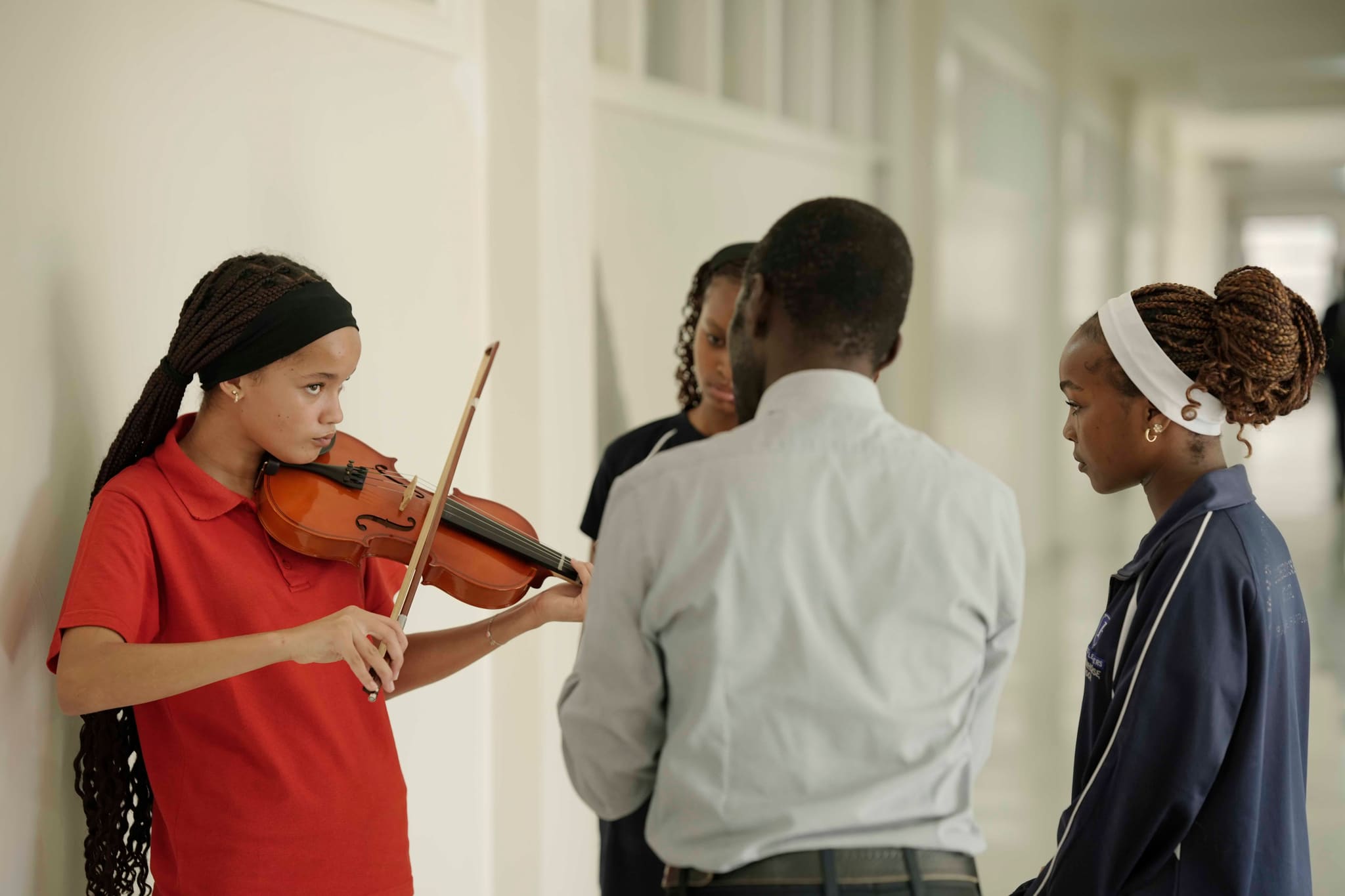
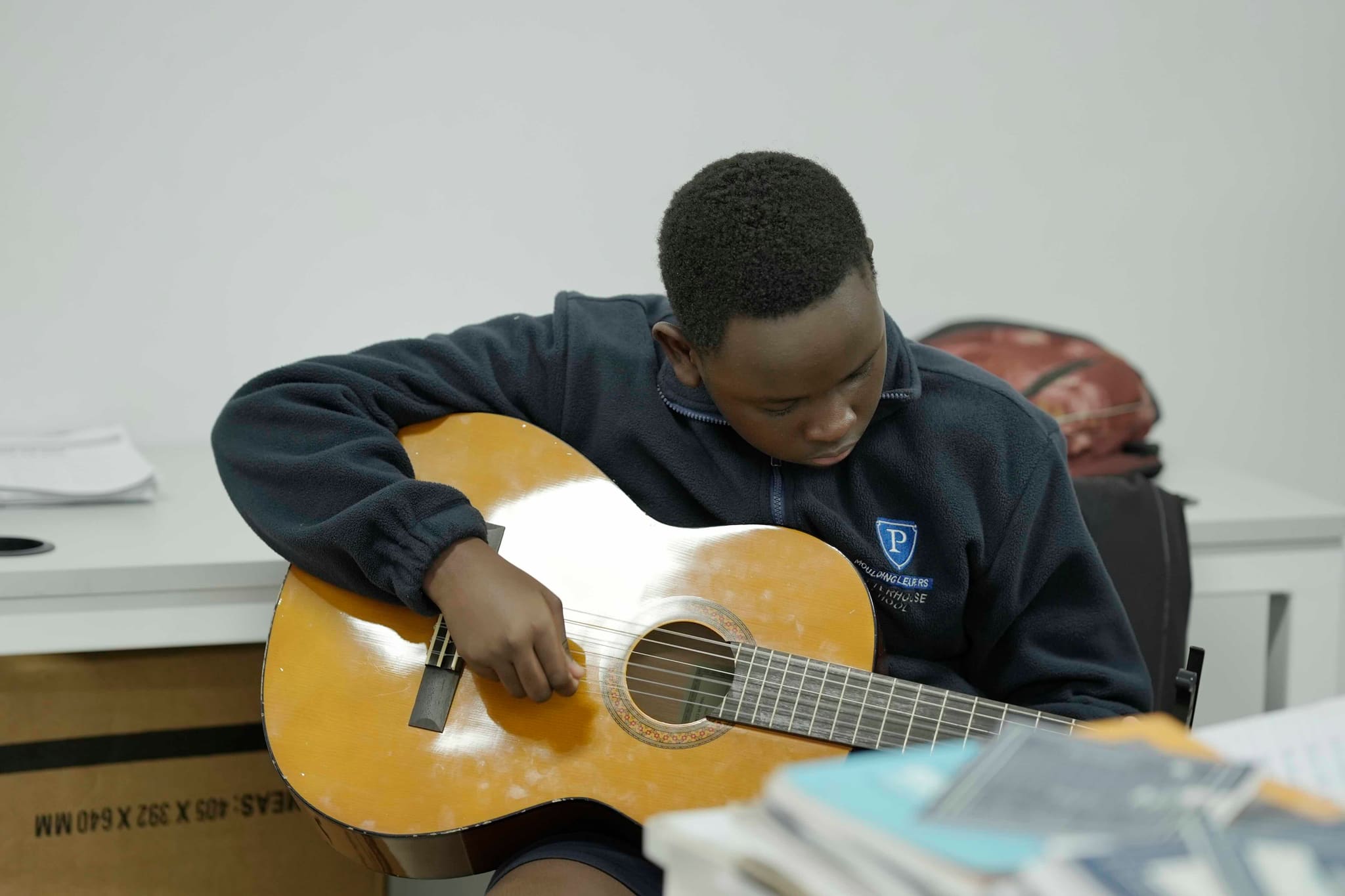
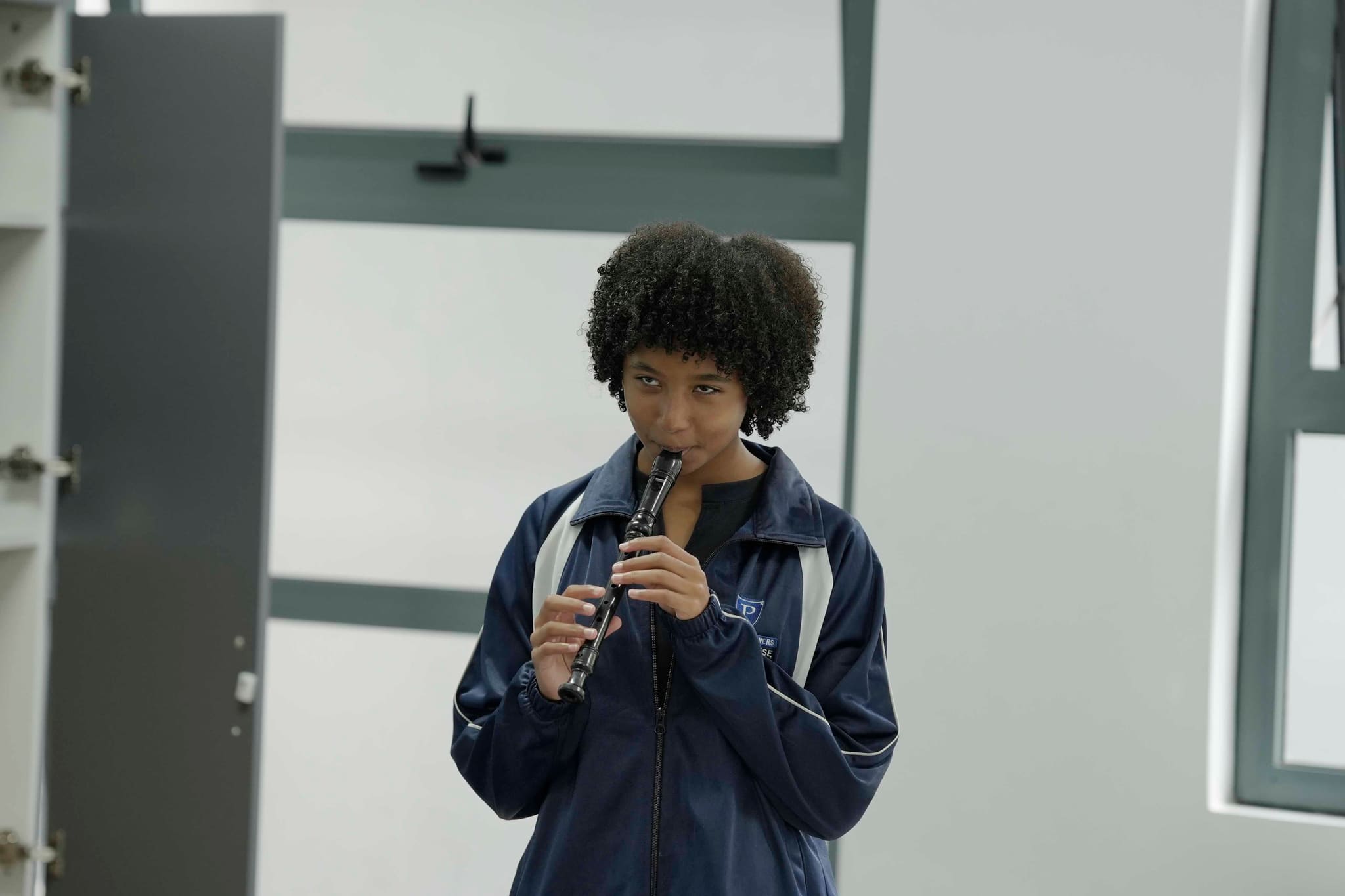
Children are creative thinkers and the arts play a vital role in nurturing creativity, building confidence, self-expression, and cultural appreciation. Students explore their talents through a variety of artistic disciplines–visual art, pottery, music and drama

Students can enrol for individual music lessons, including a variety of instruments and voice lessons. They develop performance skills, musical understanding, and creative expression as individuals and in groups through our ensembles, bands and choir.

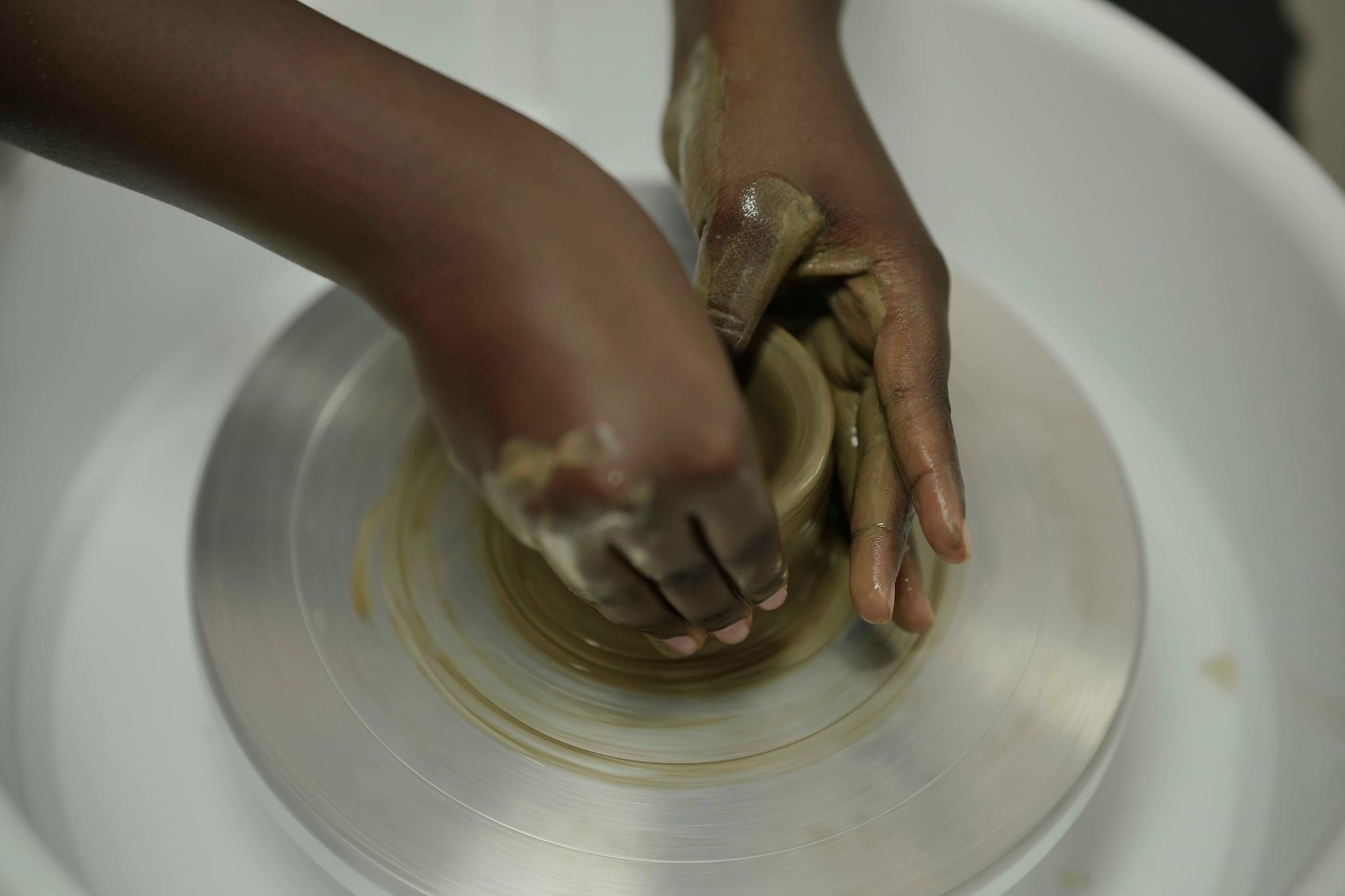
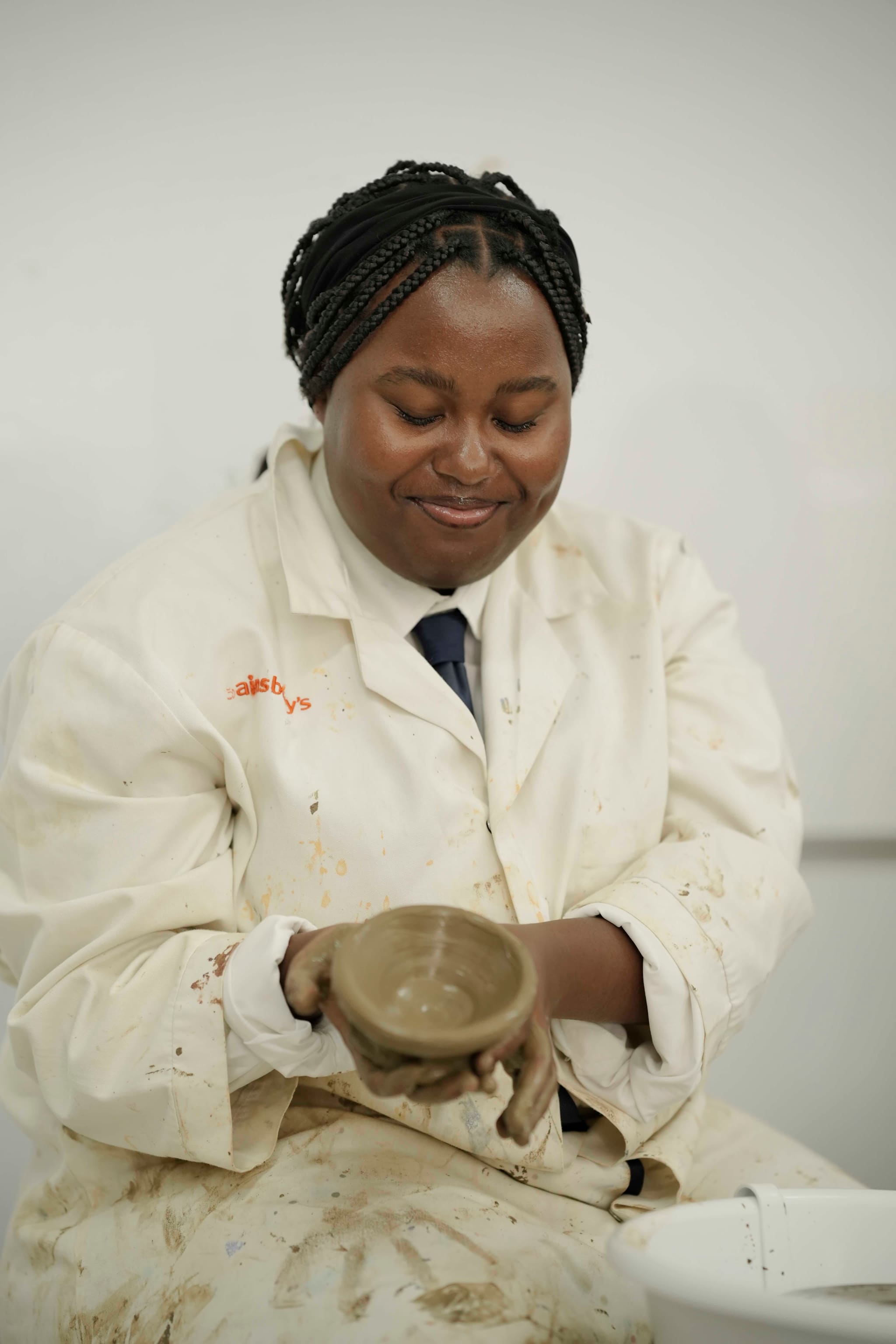
Pinch pots, coil vessels and decorative tiles are some of the outcomes of the clay activities in our ceramics room. Potterhouse embraces pottery as a way to build creativity, develop motor skills, and strengthen students’ focus.

The tactile, messy nature of pottery has a relaxing and calming effect that helps develop attention span. Younger children roll, pinch and poke clay to practise hand-eye coordination and enjoy sensory exploration, while older students wedge clay and work on the pottery wheel.

Clay can be manipulated in endless ways. As students discover its possibilities, they develop their small and large motor skills and gain confidence in their ability to create.
Students mark the end of Key Stage 2 (Year 6) and Key Stage 3 (Year 9) by sitting Pearson Achievement Tests in Mathematics, English, Science and Computing. These are externally marked in the UK

Our MGC department helps our students make informed decisions about their academic and career pathways

Students also receive personalised guidance on subject selection, university applications, career exploration, and future planning to ensure a smooth transition after high school.

In addition to university and career guidance, the MGC department conducts weekly mentoring classes to ensure students’ wellbeing. This includes topics like friendships, decision-making, study tips, developmental milestones, drugs. The department also offers check-ins with students and counselling (with parent consent).

Every student has a right to learn and is able to learn

Our inclusion department provides a warm environment where students with learning difficulties are identified and given one-on-one specialized support. This is where instruction is adapted, and support is provided, to suit a child’s learning and/or behavioural needs.The department is equipped with specialised teachers and resources to support a variety of needs.